
How to Fund a Sports Officiating Course at Your School
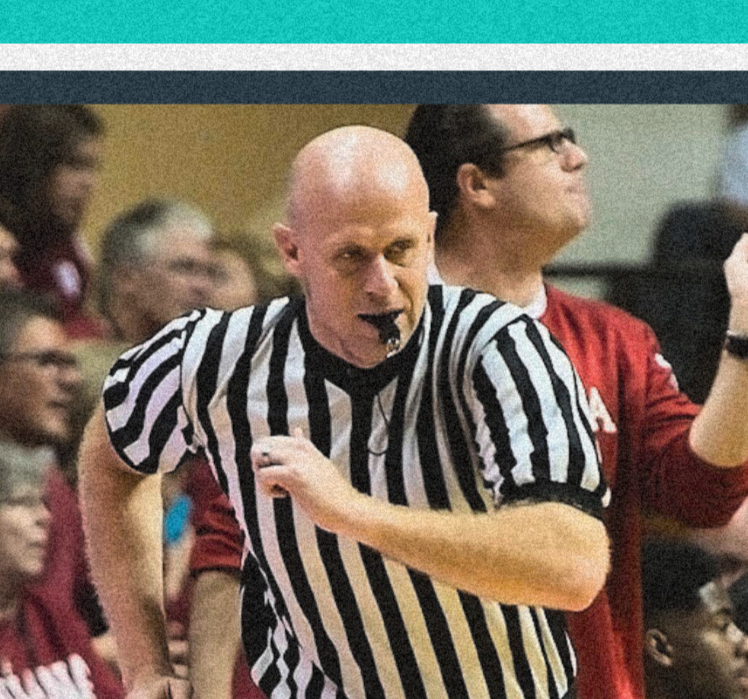

Many educators - both teachers and administrators - know that adding a new class or program is an exciting but challenging puzzle. “Who teaches the new class?” “Where does it fit in the schedule so that most students have access to it?” “Does anything need to be removed so this can be added?” These are all common questions educators may consider.
You probably noticed one question missing that is often front and center: “How are we going to pay for this?” Schools regularly face budget limitations when adding curriculum, materials, and new educational opportunities. That makes identifying the right funding source an important part of bringing a new program to students.
So how can you add a sports officiating class to your list of course offerings if the budget is tight and options are limited? After working with more than 1,500 educational organizations across the country and beyond, we’ve learned a few places schools can look for support.
Looking for funding opportunities in your state? Visit the RefReps Grants & Funding page to explore grants, funding programs, and additional resources that may help bring sports officiating education to your school.
Can Title IV Funds Be Used for Sports Officiating Education?
Most schools have access to “Title” funds, specifically, Title IV. Within Title IV, there are several line items that may be considered.
Safe and Supportive Schools: If you are running an intramural or rec program after school, on the weekends, or in partnership with a community league or organization, you may want to explore whether this funding could support fund officiating education for those working with participants in these health and wellness activities.
Well-Rounded Education: This line item often funds materials for courses outside the traditional core subjects such as English, math, science, and social studies. Should your officiating education program land in Physical Education, which many do, this may be an option to help fund your programming.
Using CTE or Perkins Funding to Support Sports Officiating Courses
A second avenue for funding within the school grant world is through Career and Technical Education (CTE). The primary grant fund within the CTE world is the Perkins Grant, named after the late Kentucky legislator, Carl D. Perkins, who was known as a fierce advocate for education and underserved communities. This federal grant program earmarks approximately $1.4 billion annually for aligning training with in-demand labor needs. While traditionally used for programs such as welding, construction, HVAC, culinary arts, and health science, a well-planned pathway in health and exercise science, parks and recreation management, or education professions may include courses such as coaching, water safety and instruction/lifeguarding, ...or even sports officiating.
Can Sports Officiating Count as an Industry Recognized Credential?
Sports officiating provides students with an opportunity to learn employability skills such as effective communication, leadership, decision-making, conflict de-escalation, and professionalism. In many states, sports officiating education can also lead to a sports officiating license that is issued or recognized by a state athletic association or other governing body. That license/certification serves as an Industry Recognized Credential (IRC) that may benefit learners in graduation requirements or additional recognition just like an AWS certification in welding, an ASE certification in auto technology, or a CNA in health science. Keep in mind that when a student is working contests as an official (or as a scorekeeper, announcer, or helping prepare a game venue for competition), they are also completing work-based learning hours along the way!
State Athletic and Local Officials Associations Help Fund Officiating Education
When you get away from the federal funds and grants for paying for a sports officiating program, there are still so many other options. A great place to start is the state athletic association; RefReps partners with more than two-thirds of them so far! They may have officiating resources, grant funds, or a foundation that can help schools identify funding opportunities for education-based athletics programs. Officiating counts because as National Interscholastic Athletic Administration Association (NIAAA) Executive Director Phil Rison has said, “We’ve never had a game without them!”
Your local officials associations are great resources as they are always looking for new members to mentor and become the next generation of officials. Booster Clubs, Parent Teacher Organizations (PTOs), and other organizations supporting students and schools want to see games get played because they know the role of sports in the overall student experience. Your local Kiwanis and Lions Clubs and other civic organizations are also excellent avenues to engage.
Where Should You Start?
So if you want to add a sports officiating course or curriculum to your school or organization and you are searching for ways to overcome a funding obstacle, ask a few questions:
“Does our district have Title IV funds available or can we be a part of the next submission cycle?”
“Do we have a CTE program or pathway established where sports officiating could be a course included along the way to completion?”
“Do we have organizations in our schools or communities that support health, wellness, or athletic endeavors?”
“Do we have unencumbered funds at the end of the calendar or fiscal year that need to be spent and can be allocated toward curriculum, whistles, uniforms, or equipment?”
“Can we work with state or local officials associations to get support to provide future officials that will then support them?”
Depending on your school, your first conversation may be with your CTE director, district grant coordinator, principal, athletic director, curriculum director, business office, or education foundation. Bring a short description of the proposed course, expected student outcomes, anticipated costs, and the funding source you would like to explore.
The excitement of having a sports officiating class or course of study in your school is one that will provide benefits to all involved. Students gain employability skills that can benefit them in future education and employment. Students, including athletes, will engage in material that emphasizes a healthy lifestyle. With only 7% of high school athletes continuing to play competitively in college, this is a great way to stay connected to the game.
Upon completion and any required registration or certification, students may also have opportunities to earn money by officiating. Depending on the sport, level, and location, officiating can provide students with an opportunity to earn meaningful part-time income. Most importantly, the games will get played. Too many contests, at all levels, all over the country are getting cancelled because of a lack of sports officials. Help make sure the games get played by offering sports officiating at your school!
Ready to explore your options? Visit our Grants & Funding page to find additional resources and opportunities available to schools.
*Funding availability and eligibility vary by state, district, program, and funding source. Schools should consult their district administration, CTE leadership, grant coordinator, or other appropriate funding administrator to determine eligibility and allowable uses.


Comments