
What Coaches and Officials Can Learn From Each Other

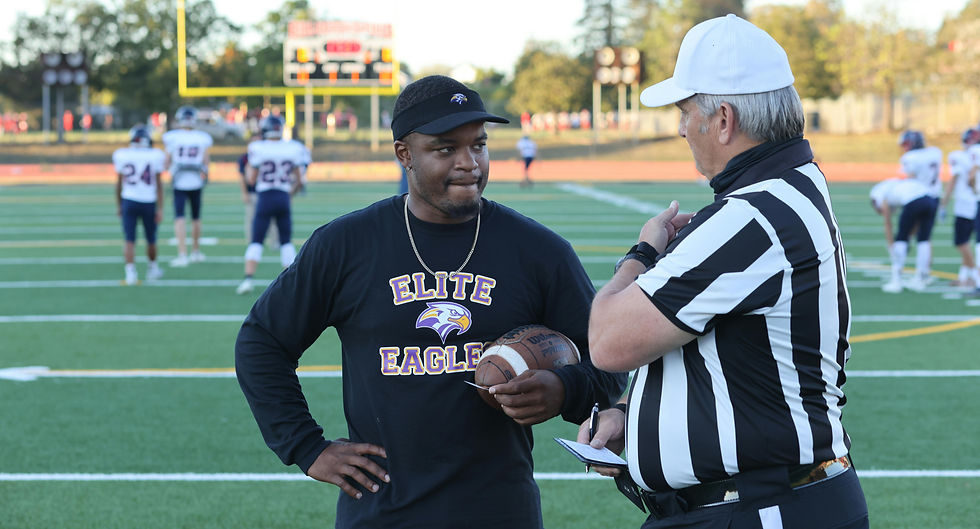
In sports, it’s easy to assume that coaches and officials stand on opposite sidelines in more ways than one. Coaches want what’s best for their team; officials want what’s best for the game. These roles can sometimes feel at odds, and the tension that comes with competition can make it seem like coaches and officials are natural antagonists. In reality, both are essential to a well-run contest, and both have far more in common than people think.
Coaches and officials are both educators, leaders and decision-makers under pressure. When they take time to understand each other’s perspectives, the quality of the game improves for everyone involved. This shared understanding doesn’t happen by accident. It develops through conversation, collaboration, and respect, especially outside the heat of competition. When coaches and officials interact away from the game, it creates tremendous opportunities for learning on both sides. These exchanges build trust, reduce friction, and ultimately foster a healthier sports environment for players and fans.
What Officials Can Learn From Coaches
Most officials understand the rules, mechanics, and philosophies of their sport extremely well. But coaches can offer an entirely different layer of insight: one rooted in strategy, preparation, and player tendencies. Coaches spend countless hours studying film, scouting opponents, and preparing their athletes for what they’ll face in competition. This gives them a deep understanding of offensive and defensive schemes and the tells that come with them. Simply put: coaches see patterns that officials may not immediately recognize.
Consider this example from football:
A coach notices that an outside linebacker aligns head-up on the tight end when he is dropping into pass coverage, but shifts into the tackle–tight end gap when preparing to blitz. A quarterback who learns this “tell” can adjust the play accordingly. The referee can benefit from recognizing these same cues. Understanding likely points of attack helps officials anticipate where action may develop. While officials should never officiate based on prediction alone, awareness of tendencies improves positioning, angles, and readiness. It can also help officials prepare for potential safety issues, knowing where contact is most likely to occur. Beyond strategy, coaches can help officials understand player behavior patterns, communication styles, and emotional dynamics within a team. These insights help officials manage contests more effectively and communicate more meaningfully with players.
What Coaches Can Learn From Officials
Just as officials can learn from a coach’s strategic mind, coaches can gain valuable perspective by understanding how officials see the game. Many coaches haven’t had the experience of officiating a game. As a result, they may not fully understand what officials look for, how calls are made, or how mechanics and positioning guide an official’s responsibilities. For example, coaches who know which official is responsible for which areas of the court or field are better equipped to interact constructively during games. Instead of questioning the nearest official, coaches can direct their comments or inquiries to the correct member of the crew, reducing confusion and improving communication for everyone.
Coaches can also better teach their athletes how to avoid fouls, violations, and unnecessary penalties when they understand the standards officials apply. This creates more disciplined teams, fewer stoppages, and a cleaner, more enjoyable game. In addition, learning from officials can help coaches foster respect for the role. When coaches model positive interactions and a willingness to understand officiating challenges, athletes and spectators often follow suit. This contributes directly to healthier sportsmanship and a better culture around the game.
Building a Better Relationship
Officials and coaches both invest deeply in creating meaningful, educational, and competitive athletic experiences for student-athletes. Yet the pressures of game day can sometimes overshadow that shared purpose. Choosing to learn from each other helps refocus that relationship. When officials and coaches step away from the scoreboard long enough to talk, listen, and share knowledge, the adversarial dynamic dissolves. Instead of viewing each other as obstacles, they begin to see one another as partners in the same mission: providing a safe, fair, and rewarding experience for athletes. These conversations don’t require formal meetings. They can happen at clinics, association events, preseason scrimmages, or even casual interactions around the school or community. Every positive exchange builds a stronger foundation for trust and respect.
A Better Game Starts With Understanding
There are clear benefits on both sides when coaches and officials learn from each other. Officials gain strategic awareness, improved anticipation, and deeper insight into team tendencies. Coaches gain clarity about rules, mechanics, and officiating philosophies that help them better prepare their athletes and communicate effectively during games. Most importantly, this mutual understanding contributes to a healthier sporting environment: one where adults lead by example, student-athletes learn valuable life lessons, and communities enjoy competitions that reflect the best of education-based athletics.
Officials and coaches don’t have to be adversaries. In fact, when they choose collaboration over conflict, everyone wins.


Comments